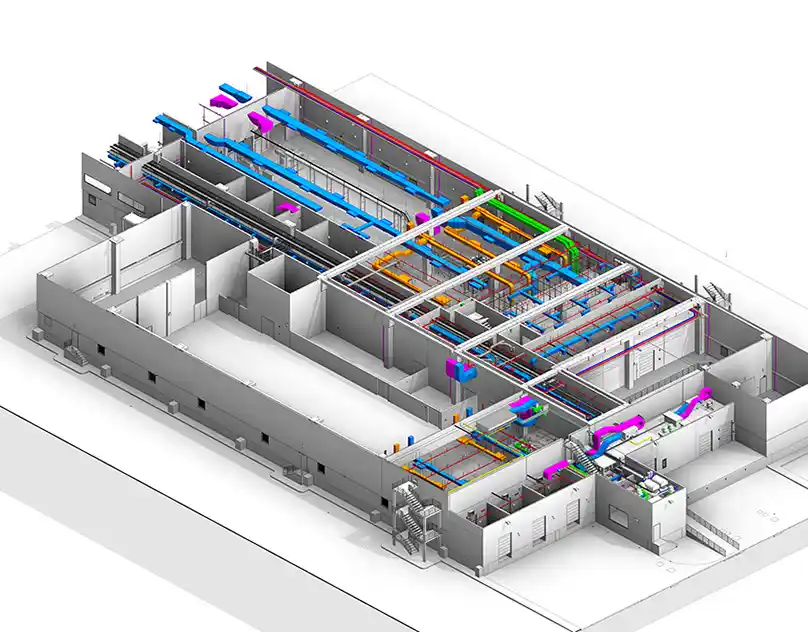
MEP Coordination Services
At Strand Consulting we offer MEP coordination services before construction to improve the mechanical, electrical, and plumbing systems of your building. We collaborate with architects, engineers, and contractors during the design stage so as to avoid backstage clashes, as well as making all trades flow seamlessly
What is MEP Coordination?
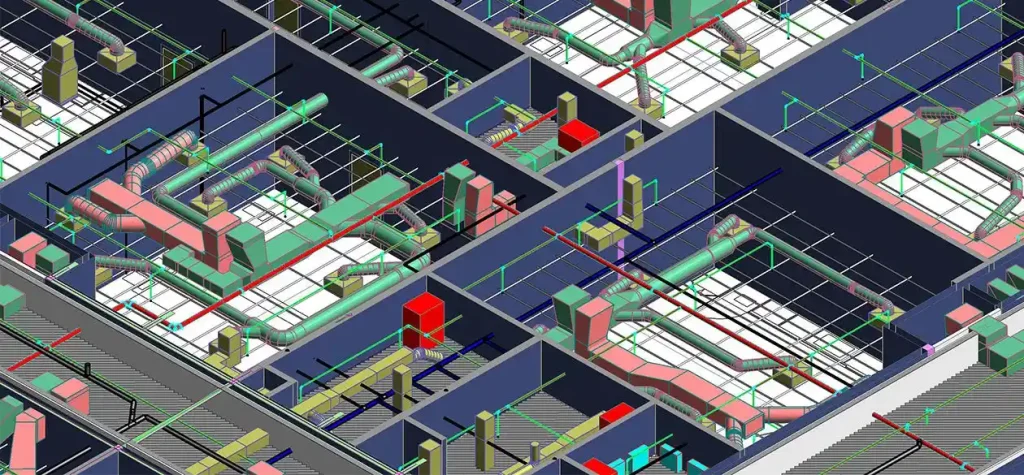
MEP coordination refers to the conjunction of mechanical, electrical, plumbing, and fire protection systems to detect and solve conflicts in the pattern of a single building model. Our professionals at Strand Co. implement advanced clash detections, careful spatial planning, and smooth (real-time) cooperation to ensure that your systems interact well and in optimal efficiency.
The preemptive integration we apply at the first stages of architecture and building design eliminates the possibility of system clashes and spatial issues occurrences such that we encounter minimal construction delays.
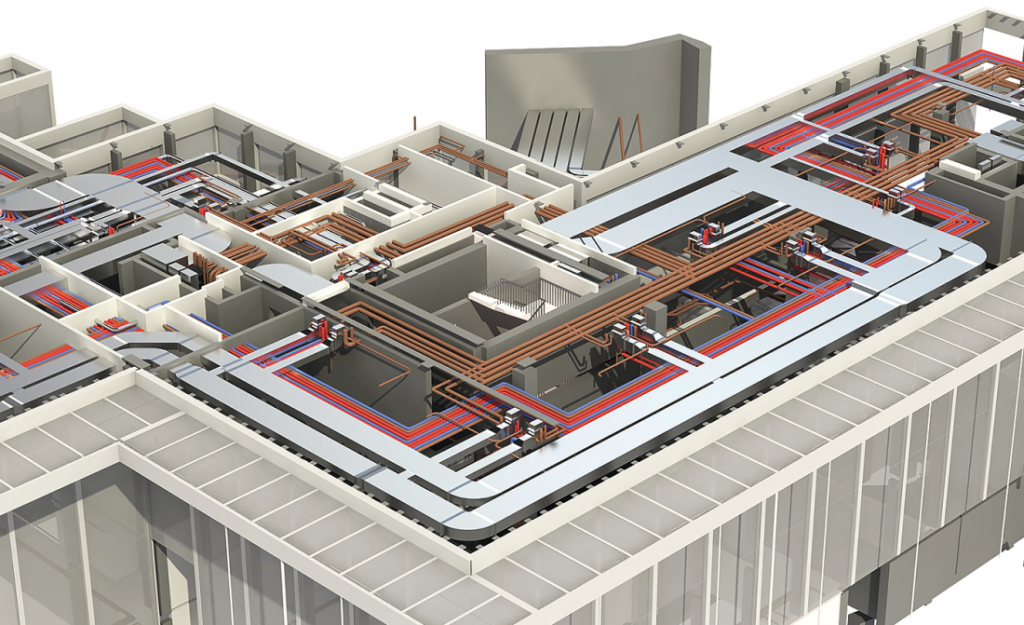
Key Advantages of Early-Stage MEP Coordination:
To properly reconcile MEP systems with navigation and construction plans and develop seamless alignment.
Avoids spatial and system clashes thus reducing clashes during the design process.
Provides superior allocation of space for risers, shafts, ceiling spaces and utility zones during the whole planning process of the project.
Enhanced collaboration will be realized by involving the architects, engineers, and MEP experts.
Lowers change orders and site disruptions by addressing design problems in the process milliseconds.
It enhances system performance through integration of high precision with data based modeling within BIM settings.
Promotes rapid approvals and compliance with requirements due to detailed, clash-free documentation.
Facilitates better informed decisions by stakeholders; with increased understanding of the system’s location and purpose; through visual blueprints.
Such an approach leads to a decreased number of lure complications on-site, a smoother construction timeline while ensuring that the finished space continues to boast high performance over time.
Our Trusted Clients












Our Projects
We deliver high-quality BIM, rebar detailing, steel detailing, and constructible solutions across a diverse range of projects worldwide. From complex urban developments to landmark institutional and commercial buildings, our team collaborates closely with clients to ensure precision, coordination, and on-time delivery. With experience spanning the USA, Canada, the UK, Europe, and beyond, our projects reflect our commitment to quality, innovation, and real-world buildability.
Our MEP Coordination Services Include
At Strand Co., we provide complete MEP coordination solutions that detect clashes, assist in construction, and guarantee mechanical, electrical, and plumbing systems unified integration. We move past the confines of conventional modeling approaches by providing coordinated solutions that are tailored for each construction phase for you.

Clash Detection and Resolution
With Navisworks and Rivets we see the future trouble with HVAC, plumbing, electrical, and structures before it gets serious. The refined detail relating to group clash analysis and documentation and resolution is included in coordination meetings which will see to it that your project does not fall out of schedule.

Coordinated MEP BIM Models
Our federated BIM models gather all trade smarts for best installation fit. With an application of these models, one-site work becomes more effective, and interpersonal relationships between different parties are much better improved.
Detailed 2D and 3D MEP Drawings
We provide coordinated shop drawings and spool drawings that meet contractor and manufacturer specifications—ready for immediate use during fabrication and construction.

Architecture + MEP Integration
We work closely with architects to integrate MEP systems without compromising design aesthetics or space utilization. Our team considers ceiling heights, shaft placement, and wall locations to maintain architectural intent while ensuring technical accuracy.

Pre-Construction & Design Development Support
Our skills in the early building design phase are spatial planning, constructability assessment and value engineering support.

Risk Management & Mitigation Plans
Proactive identification of potential risks, such as design inconsistencies, budget overruns, or scheduling conflicts, and the development of targeted strategies to minimize their impact.
Why Choose Strand Co?
With years of experience in engineering construction design, we know that coordinated systems are the backbone of efficient building structure execution. Our team combines BIM expertise, domain knowledge, and proactive communication to deliver unmatched service every time.
FAQ
What is MEP?
MEP stands for Mechanical, Electrical, and Plumbing—three essential systems in a building that ensure functionality and comfort.
MEP meaning in construction
In construction, MEP refers to the integrated design and installation of mechanical, electrical, and plumbing systems to support building operations.
What is a MEP coordinator?
A MEP coordinator oversees the planning, coordination, and integration of MEP systems in construction projects, ensuring they align with architectural and structural plans.
What does the MEP stand for?
MEP stands for Mechanical, Electrical, and Plumbing—the core technical disciplines involved in building services engineering.
What does MEP do?
MEP stands for Mechanical, Electrical, and Plumbing—the core technical disciplines involved in building services engineering.
What does MEP mean in maintenance?
In maintenance, MEP refers to the ongoing inspection, repair, and optimization of a building’s mechanical, electrical, and plumbing systems to ensure efficiency and reliability.
Give us a call today!
We are happy to chat about any of your concrete floor queries.
Our MEP Coordination Process
When we streamline our method from preliminary review stages through clashes resolution stages, we get smoother execution of projects, reduced rework and increased construction quality.
Step 1: Initial Consultation & Requirement Gathering
Our first step will require a discussion with engineers, architects, contractors and consultants to learn more about your goals, project specifications, and critical timeline metrics. It enables us to define the limits of our MEP coordination services, understand how the systems interface with one another, and identify those parts of the project that require special attention.
Step 2: Input File Review
We assemble and analyze all essential input materials including the architectural draw, the structural draw, the concept drawing, and MEP marking information. Upon careful review of all input documents, we determine a comprehensive strategy for coordinated modeling and clash resolution.
Step 3: 3D BIM Modeling for MEP Systems
Using high-quality software, such as Revit and Navisworks, we make precise 3D models of the HVAC, plumbing and electrics installation. Through our BIM-based modeling, we can visualize each system layout in regard to the building and identify conflicting areas.
Step 4: Clash Detection and Conflict Resolution
Using sophisticated clash detection routines, we detect and fix clashing between MEP installations and adjacent architectural/structural elements. We record all clashes, engage the appropriate team in discussion, and collaborate to eliminate clashes prior to arrival at the site.
Step 5: Coordination Meetings
A selection of stakeholders from your design and construction groups meets from time to time to review the models, resolve the existing disagreements, and make the necessary changes to the design if needed. This ensures that all parties are always tuned in and cooperation happens in real time as the coordination moves forward.
Step 6: Final Delivery of Coordinated Drawings
After clash elimination and completion of full system coordination, we offer all needed MEP drawings for construction purposes, including duct installations, electrical conduit routes, piping arrangements, and equipment layouts.
Step 7: On-Site Support and Updates
Our professionals can help after the coordinated drawings are sent upon production. During the construction phase, Strand Co implements needed corrections to drawings, stays up-to-date with changes to the project, and checks whether outcomes of the build are in agreement with the design concept.
Advanced Tools We Use
We rely on industry-leading software to deliver accuracy and efficiency:
- Autodesk Revit
- Navisworks Manage
- AutoCAD MEP
- BIM 360 Collaborate
- Revizto / BIM Track for issue tracking
Our MEP Coordination Services Include
At Strand Co., we provide complete MEP coordination solutions that detect clashes, assist in construction, and guarantee mechanical, electrical, and plumbing systems unified integration. We move past the confines of conventional modeling approaches by providing coordinated solutions that are tailored for each construction phase for you.
Clash Detection and Resolution
With Navisworks and Rivets we see the future trouble with HVAC, plumbing, electrical, and structures before it gets serious. The refined detail relating to group clash analysis and documentation and resolution is included in coordination meetings which will see to it that your project does not fall out of schedule.
Coordinated MEP BIM Models
Our federated BIM models gather all trade smarts for best installation fit. With an application of these models, one-site work becomes more effective, and interpersonal relationships between different parties are much better improved.
Detailed 2D and 3D MEP Drawings
We provide coordinated shop drawings and spool drawings that meet contractor and manufacturer specifications—ready for immediate use during fabrication and construction.
Architecture + MEP Integration
We work closely with architects to integrate MEP systems without compromising design aesthetics or space utilization. Our team considers ceiling heights, shaft placement, and wall locations to maintain architectural intent while ensuring technical accuracy.
Pre-Construction & Design Development Support
Our skills in the early building design phase are spatial planning, constructability assessment and value engineering support.
MEP Coordination in the Building Design Phase
In order to guarantee efficient construction and long term operational benefits, Strand Co values MEP coordination alignment at an early building design stage. Collaborating with mechanical, electric, and plumbing systems from the architectural and prostruction cycles is important for us because it allows us to avoid design clashes, avoid costly changes, and simplify the project process.
How We Collaborate with Architects and Engineers
Our collaboration extends across disciplines:
- Architects: We integrate MEP systems with minimal design compromise, helping maintain visual and functional goals.
- Structural Engineers: We coordinate beam locations, load paths, and openings to prevent future conflicts.
- MEP Engineers: We align our coordinated models with design calculations, flow paths, and load requirements.
Let’s Coordinate Smarter. Build Better.
Whether you’re working on a new facility or retrofitting an existing structure, Strand Co’s MEP coordination services ensure your systems work together seamlessly. Avoid rework, save money, and deliver faster with our precision-driven approach. Partner with Strand Co for expertly delivered MEP BIM services that minimize risk, reduce cost, and drive construction efficiency. Whether you’re at the concept stage or deep into coordination, our team is ready to support your vision with detail-rich MEP drawings, coordinated MEP BIM models, and dedicated project support. Schedule a free consultation today and discover how our expertise in BIM and MEP can elevate your next build.
Seamless Collaboration
Foster real-time coordination among architects, engineers, and contractors for unified workflows.
Clash Reduction
Identify and resolve design conflicts early to avoid delays, rework, and budget overruns.
Precise Drawings
Deliver clear, detailed MEP plans for swift permit approvals and stakeholder sign-off.
Optimized Layout
Plan systems efficiently to maximize space use and streamline on-site installations.